
Executive and leadership coaching that helps leaders strengthen self-awareness, communication, executive presence, influence, decision-making, and leadership effectiveness.

Executive coaching isn't reserved for leaders who are struggling.
Often, the leaders who benefit most are capable, successful people who have reached a point where what got them here isn't necessarily everything they need for what comes next.
Perhaps the role has become more complex.
The expectations are higher.
A promotion has changed the relationships around them.
They're navigating a difficult board or executive team.
Their communication isn't consistently having the impact they intend.
They're leading significant organizational change.
Or they simply recognize that greater responsibility requires continued growth.
Coaching creates dedicated space to step outside the demands of the role, examine what's happening, challenge assumptions, consider different perspectives, and make more intentional leadership choices.
There isn't one predetermined coaching agenda.
The work is shaped by the leader, the role, the organizational context, and the outcomes the engagement is designed to support.
Coaching may focus on:
Strengthening how a leader communicates, carries responsibility, builds credibility, and influences others.
Increasing awareness of tone, approach, listening, feedback, conflict, and the impact communication has on relationships.
Creating space to examine complex situations, test assumptions, think through options, and make more intentional decisions.
Navigating relationships with boards, executive teams, peers, direct reports, and other critical stakeholders.
Recognizing behavioral patterns, triggers, blind spots, strengths, and responses under pressure.
Strengthening delegation, expectations, trust, feedback, accountability, and team leadership.
Helping leaders remain clear, intentional, and effective when the organization—and the people around them—are navigating uncertainty.
Supporting leaders moving into broader responsibility, preparing for the next level, or intentionally expanding their leadership capacity.
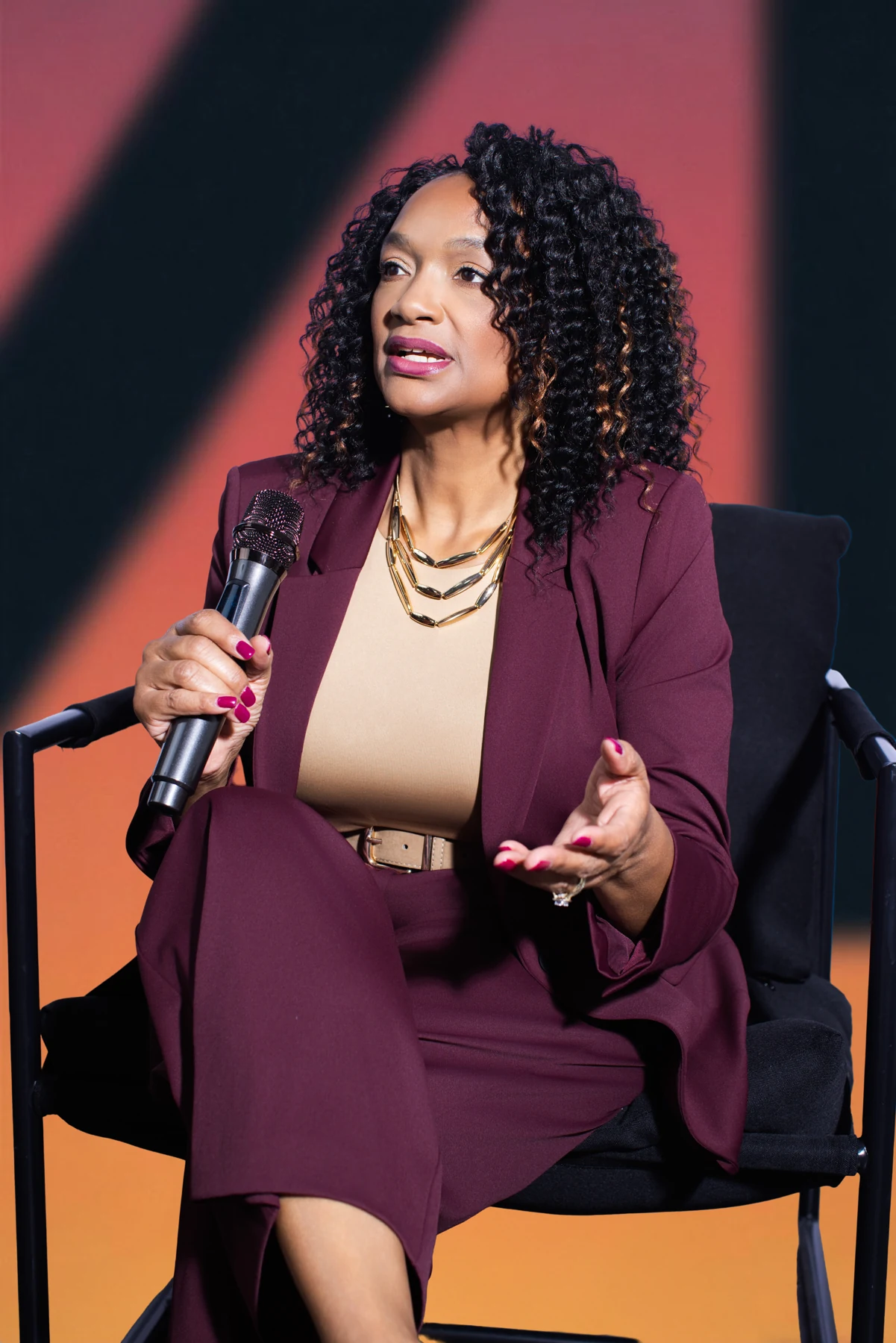
At EPS, coaching is not about “fixing” a leader.
It is a strategic development partnership built around greater awareness, intentional growth, and sustained behavior change.
Effective coaching creates the space for leaders to step outside the demands of the role and examine not only what they are doing, but the impact their leadership is having on the people around them.
That distinction matters.
Leaders know their intentions. They know what they meant to communicate, what they were trying to accomplish, and how they intended to show up.
But leadership is ultimately experienced through behavior — what a leader says, does, reinforces, avoids, and how they respond when the pressure is on.
Coaching helps leaders examine that relationship between intention and impact more clearly.
We ask questions. Challenge thinking. Surface patterns. Introduce perspective. Create accountability. And provide a confidential space where leaders can work through the real situations they are facing.
Because insight matters, but what a leader does with that insight matters more.
Leadership doesn't happen in a vacuum.
A leader operates within a culture, a team, a network of relationships, business priorities, organizational expectations, and systems. The way that leader communicates, makes decisions, responds under pressure, builds trust, holds people accountable, and navigates relationships creates an experience for the people around them.
That's why EPS coaching looks beyond the leader's individual goals to consider the organizational context in which leadership is actually happening.
Sheila brings more than 30 years of experience across human resources, leadership development, organizational development, and executive coaching to the coaching relationship.
to deeper questions:
What is really happening here?
How are others experiencing your leadership?
Where might there be a gap between your intention and your impact?
What patterns are showing up?
What might you not be seeing?
What does this situation require from you as a leader?
What will you do differently?
This combination of executive coaching and organizational insight allows EPS to help leaders work on development in the context where it matters most:
What the leader aims to achieve, and why it matters.
How that intention shows up in everyday actions.
How teams and stakeholders actually experience it.
What the gap between intent and impact reveals.
Clear next steps that turn insight into lasting change.
Stakeholder perspective helps leaders understand how their leadership is experienced by the people around them. It brings the difference between intended behavior and experienced impact into clearer view.
Within coaching, feedback becomes a starting point for leadership awareness and actionable development—connecting what a leader learns with how they communicate, make decisions, navigate relationships, and lead.
Consider how others experience a leader’s communication, decisions, and behavior in everyday working relationships.
Examine the difference between intention and impact, including the patterns and perspectives a leader may not see on their own.
Translate what is learned into more intentional leadership choices and practical changes in behavior.
For leaders carrying broad organizational responsibility, navigating boards and stakeholders, setting culture, leading executive teams, making complex decisions, and influencing organizational direction.
For leaders seeking to strengthen strategic influence, executive presence, communication, decision-making, team leadership, or readiness for broader responsibility.
For high-potential or developing leaders building greater self-awareness, confidence, communication capability, accountability, and effectiveness as people leaders.
For executive and leadership teams seeking to strengthen alignment, communication, trust, collective accountability, and their effectiveness in leading the organization together.
When an organization sponsors coaching, the investment serves both the individual leader's development and the organization's broader leadership priorities.
At the beginning of an organizationally sponsored engagement, EPS works with the appropriate stakeholders to clarify the purpose of coaching, desired outcomes, roles, expectations, and how progress will be evaluated.
The coaching conversation itself remains confidential. This is essential to creating the trust and openness that allow meaningful reflection and growth.
EPS maintains this distinction between coaching confidentiality and organizational accountability so the leader has space to develop while the engagement remains connected to the outcomes that prompted the investment.
Insight and self-awareness are important — but they aren't the finish line.
The purpose of coaching is to help leaders translate what they are learning into meaningful changes in how they communicate, make decisions, navigate relationships, lead teams, respond under pressure, and influence the organization around them.
Depending on the leader and the goals of the engagement, growth may include greater self-awareness and impact awareness, more intentional communication, stronger executive presence, improved interpersonal effectiveness, greater confidence navigating complexity, stronger trust and credibility, better stakeholder relationships, more consistent accountability, and more effective team leadership.

Founder & CEO / SHRM-SCP, SPHR
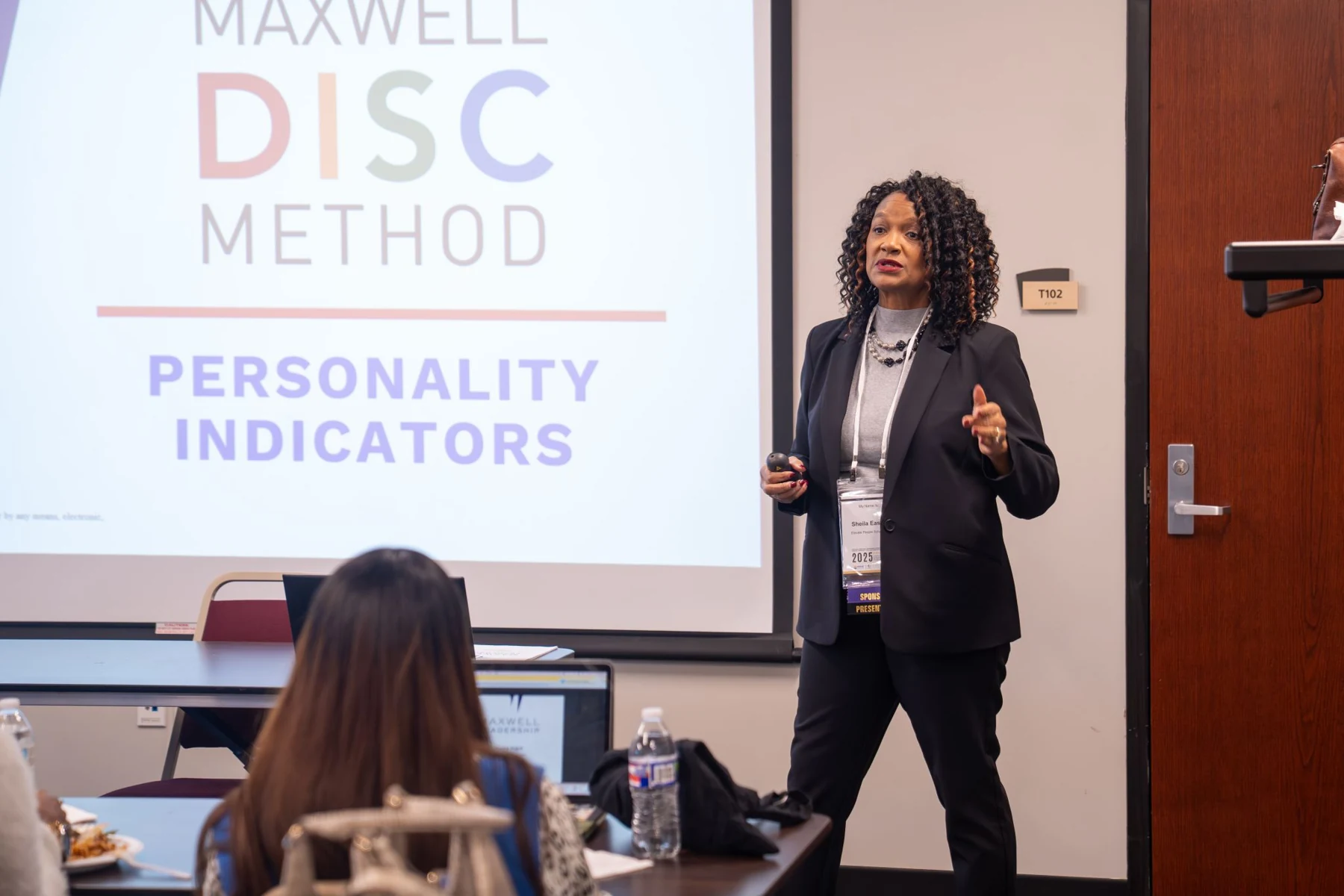
Practical development that helps managers and leaders build the skills required for the real work of leading.
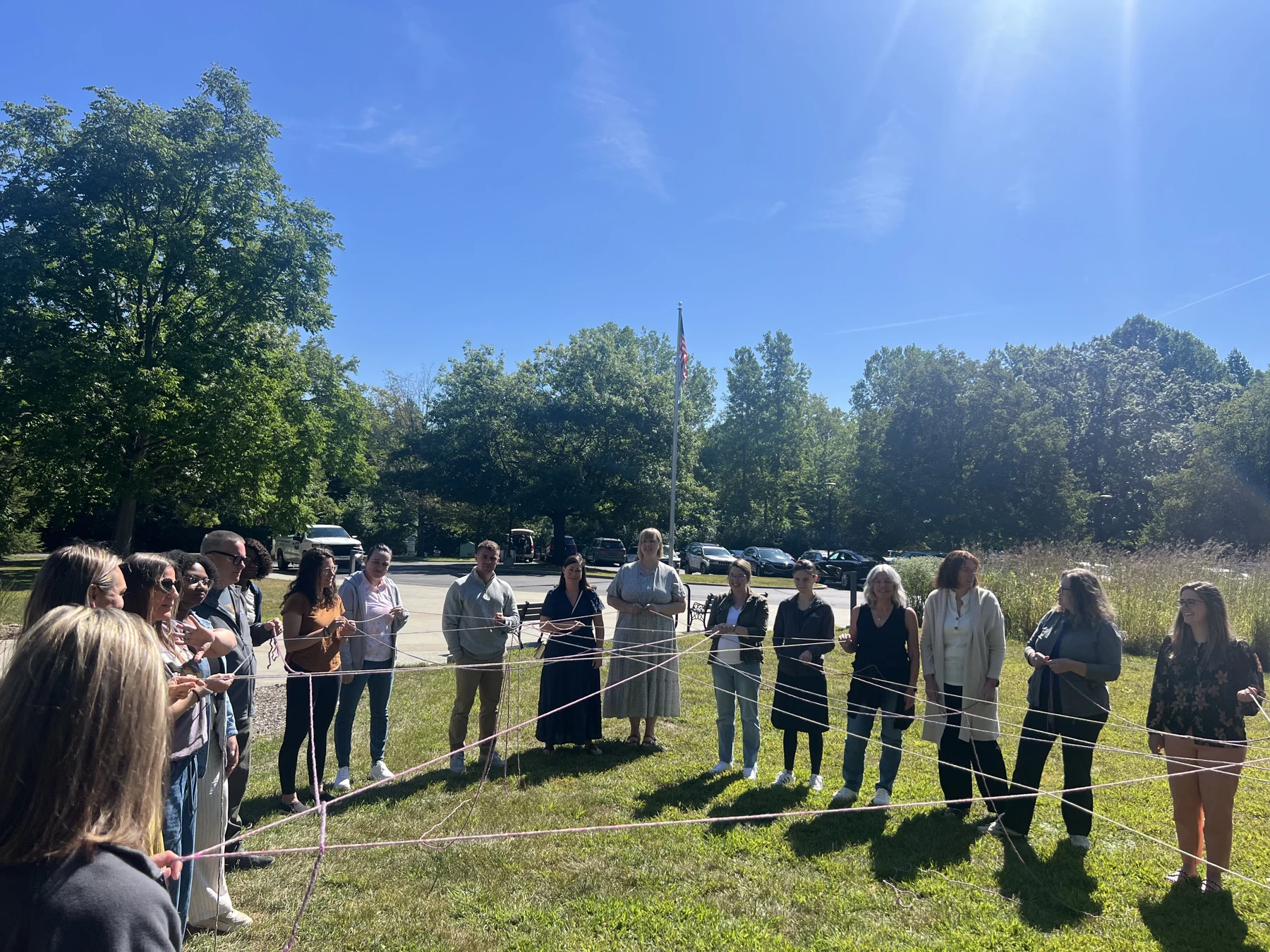
Create focused dialogue, shared direction, and clear next steps for leadership teams, executive teams, and boards.

Strengthen trust, communication, accountability, and the working relationships that support team performance.
Elevating Leaders.
Strengthening Teams.
Transforming Organizations.