Customized team development that helps organizations strengthen trust, communication, accountability, collaboration, working relationships, and team effectiveness.
Sometimes the signs are obvious: recurring conflict, missed commitments, tense meetings, or frustration that spills into everyday work. Other times, the signs are quieter. People stop raising concerns, avoid difficult conversations, work around one another, or leave meetings with different understandings of what was decided.
These patterns affect more than morale. They can slow decisions, weaken accountability, create unnecessary rework, and make it harder for people to do their best work.
Team development creates an opportunity to understand what is happening between people—and address the patterns that may be getting in the way of effective work.
Positive relationships matter, but a team can genuinely like one another and still struggle to deliver results together. Team effectiveness also depends on clarity about priorities, roles, decisions, expectations, and how members will hold themselves and one another accountable.
Strong teams know how to discuss differences, raise concerns, navigate tension, and follow through on commitments. They do not avoid every disagreement; they develop ways to work through it constructively.
EPS helps teams strengthen both the relationships and the working practices that allow collaboration to produce meaningful results.
An engaging activity can create energy and connection. But the most useful team development begins with understanding what the team is experiencing and what needs to be different afterward.
EPS works with the team sponsor or leader to clarify the purpose of the engagement, the challenges or opportunities prompting it, and the outcomes the team wants to achieve.
That understanding shapes the experience. Rather than choosing an activity first and hoping it fits, we design conversations and exercises around the team's real needs.
When people say a team needs to communicate better, that may be true—but it is not always the full diagnosis. What looks like a communication issue may involve unclear decision rights, competing priorities, unresolved tension, inconsistent follow-through, or assumptions about one another's intentions.
If those underlying issues remain unaddressed, a session focused only on communication techniques may offer temporary relief without changing how the team operates.
EPS helps teams look beneath the surface, identify the patterns that matter, and focus their effort where it is most likely to make a practical difference.
No two teams arrive with exactly the same history, relationships, responsibilities, or expectations. An effective experience should reflect that context.
Depending on the engagement, EPS may use sponsor conversations, stakeholder input, team reflections, assessments, or other discovery methods to better understand the team's strengths, friction points, and development priorities.
We then shape the agenda, activities, and facilitated conversations around the team's work, giving participants an opportunity to address issues that are relevant—not simply complete exercises.
People bring different communication preferences, work styles, decision-making approaches, and responses to pressure. Those differences can strengthen a team, but they can also create misunderstanding when members assume everyone sees situations the same way.
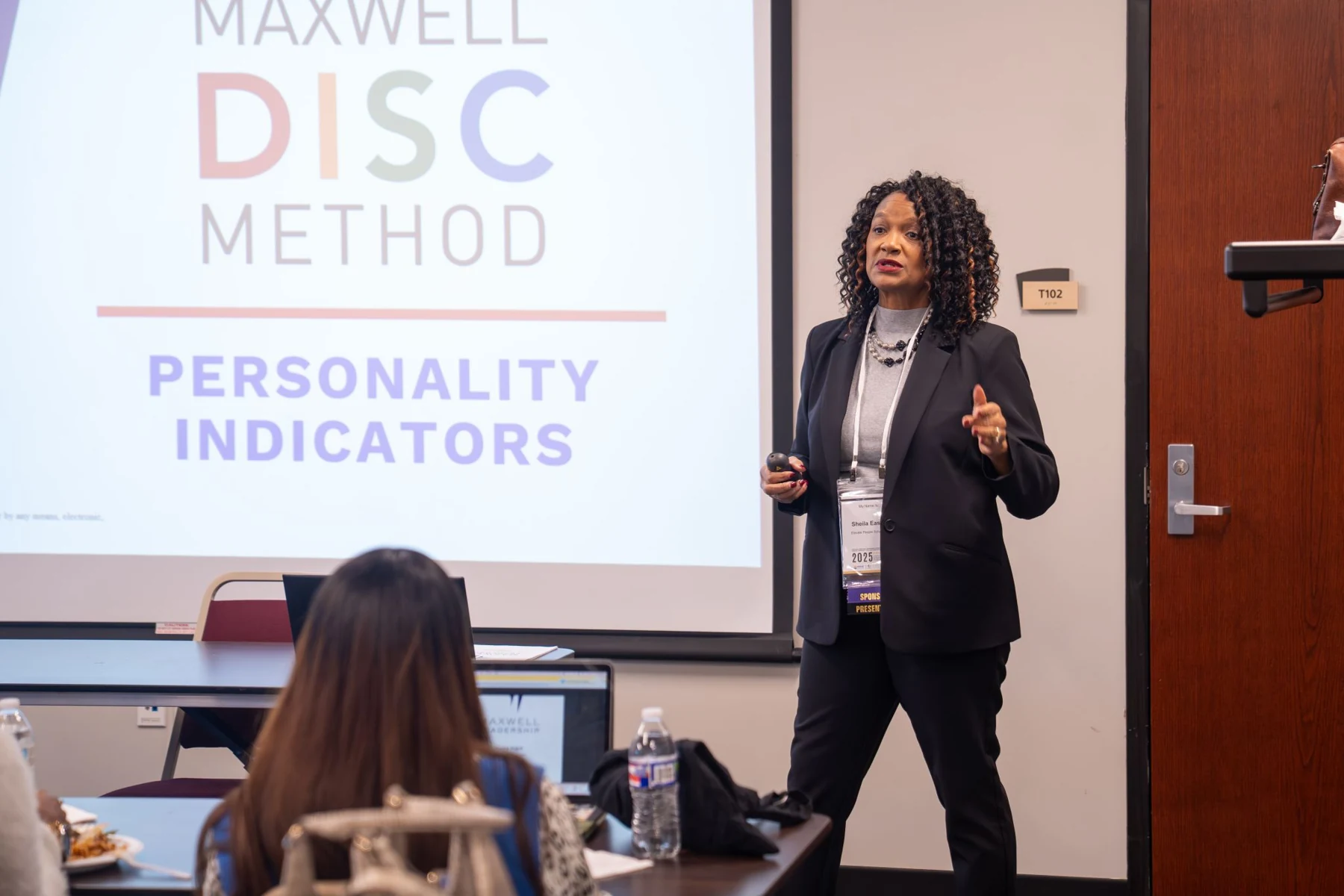
When appropriate, EPS uses DISC behavioral assessments to help team members explore those differences with greater awareness and curiosity. The purpose is not to label people or excuse behavior. It is to improve how colleagues communicate, adapt, and work together.
The goal isn't for people to know their letters. The goal is for them to work together more effectively.
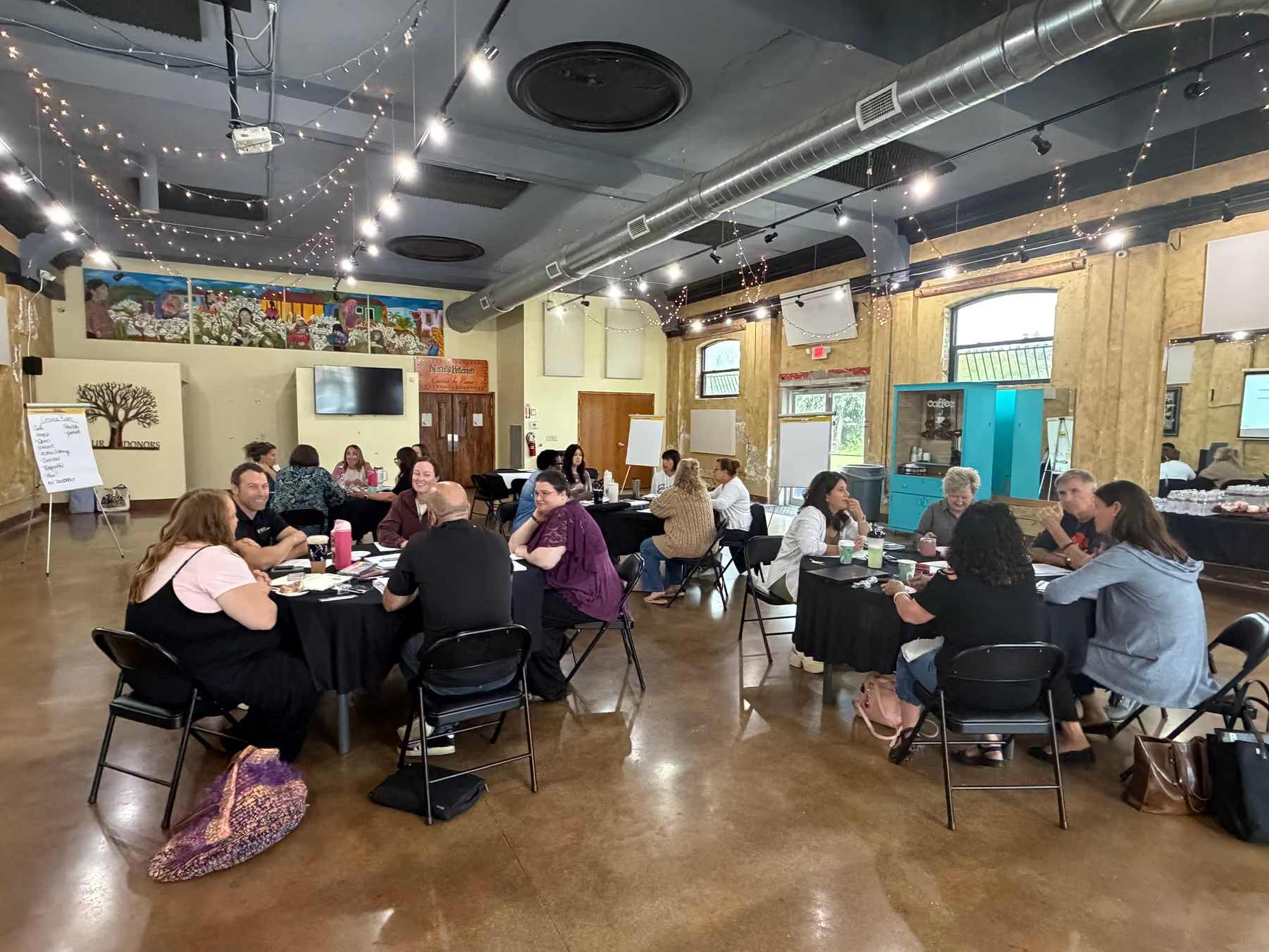
Team development should give people space to talk about the situations they actually encounter: handoffs that break down, decisions that stall, expectations that are unclear, tensions that go unspoken, or meetings that do not lead to action.
EPS uses facilitated discussion, realistic scenarios, reflection, and practical exercises to help teams examine these situations and consider different ways of responding.
The experience is designed to be candid and constructive, with a focus on what the team can do differently when it returns to its everyday work.
A productive session can build understanding and momentum. Its lasting value, however, depends on what team members do afterward.
EPS helps teams translate important insights into specific commitments—such as clearer expectations, better meeting practices, agreed ways to address tension, stronger handoffs, or more consistent follow-through.
Where the engagement calls for it, reinforcement or follow-up conversations can help the team revisit commitments, recognize progress, and adjust what is not working.
Executive and senior leadership teams influence far more than their own meetings. How they communicate, make decisions, manage disagreement, and work across functions shapes the experience of the people they lead.
When leadership-team members operate in silos, send mixed messages, or leave accountability unclear, the effects can ripple throughout the organization.
EPS helps leadership teams strengthen alignment, candid dialogue, shared responsibility, and the working relationships needed to lead with greater consistency and collective effectiveness.
Some teams benefit from a focused session that addresses a specific challenge or helps members build a shared understanding. Others need a more involved process to work through complex dynamics, establish new operating practices, or sustain changes over time.
EPS may recommend a team workshop, facilitated working session, assessment-supported experience, multi-session development process, or a combination of approaches, depending on the objectives.
The format is a means to an end. The priority is selecting an approach that gives the team the right opportunity to make progress.
Team development is not only a response to conflict or dysfunction. It can also help a healthy team prepare for change, integrate new members, strengthen collaboration, clarify expectations, or take its effectiveness to a higher level.
Proactive development gives teams time to discuss how they want to work together before small misunderstandings become persistent patterns.
Whether the goal is to address friction or build on existing strengths, EPS starts with what the team needs now and what it wants to accomplish next.
The value of team development should show up in everyday interactions—not only in positive reactions to a session.
Depending on the team's starting point and goals, progress may be reflected in clearer communication, stronger trust, more constructive disagreement, better coordination, greater ownership of commitments, and more effective decisions.
EPS focuses on helping teams turn understanding into practical changes in how they communicate, collaborate, and deliver results together.

A focused space to strengthen self-awareness, communication, executive presence, and leadership effectiveness.
Practical development that helps managers and leaders build the skills required for the real work of leading.
Strategic guidance for complex people, performance, culture, change, and organizational effectiveness challenges.
Elevating Leaders.
Strengthening Teams.
Transforming Organizations.