Strategic retreat and meeting facilitation for executive teams, leadership teams, and boards seeking greater alignment, focused dialogue, clear decisions, and meaningful action.
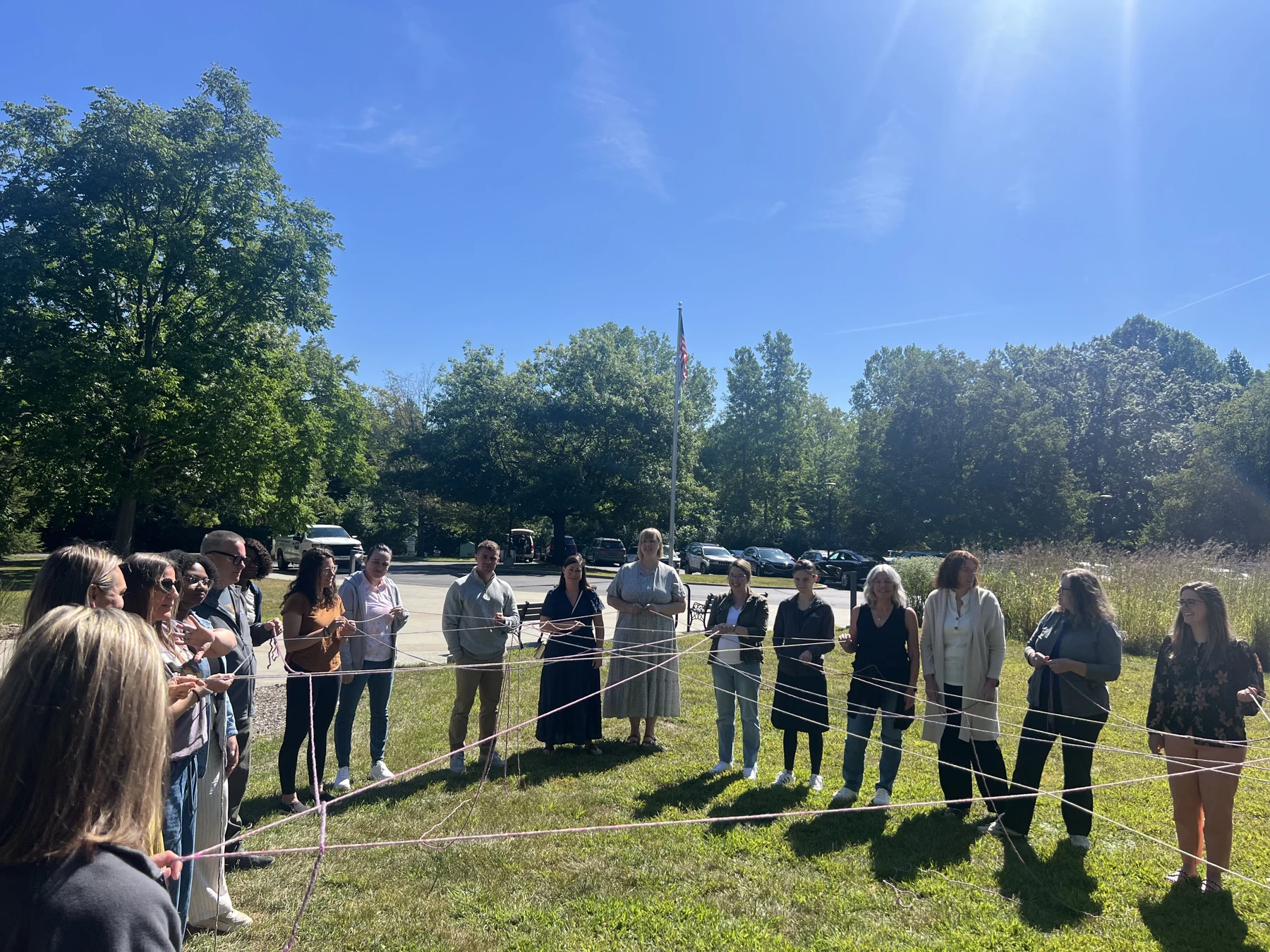
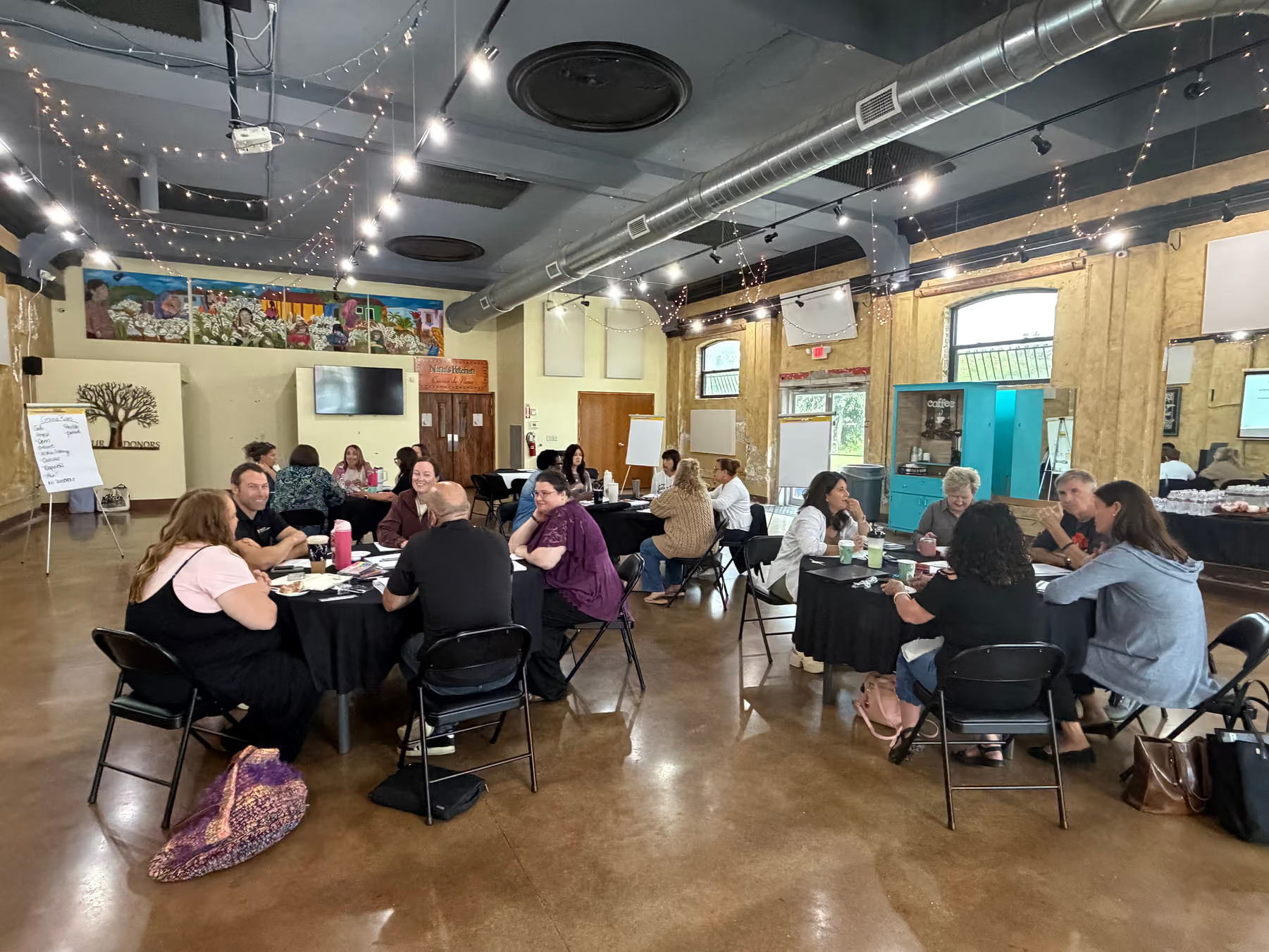
Some conversations are too important to squeeze into an ordinary meeting agenda. A leadership team may need to examine priorities, a board may need to clarify its role, or a group may need to work through an issue that has remained unresolved.
A well-designed retreat or facilitated working session creates dedicated time to think, listen, challenge assumptions, and make progress on matters that deserve focused attention.
EPS helps organizations create that space with a clear purpose, thoughtful structure, and a focus on what needs to be different when the conversation ends.
CEOs, executive directors, board chairs, and senior leaders often carry responsibility for both the outcome of a conversation and the people participating in it. When they also have to facilitate, it can be difficult to contribute fully while managing the discussion.
An external facilitator can help structure the conversation, invite broader participation, surface different perspectives, and keep the group focused on the purpose of the session.
EPS creates room for organizational leaders to participate in the thinking and decision-making while the facilitation process is managed with care and intention.
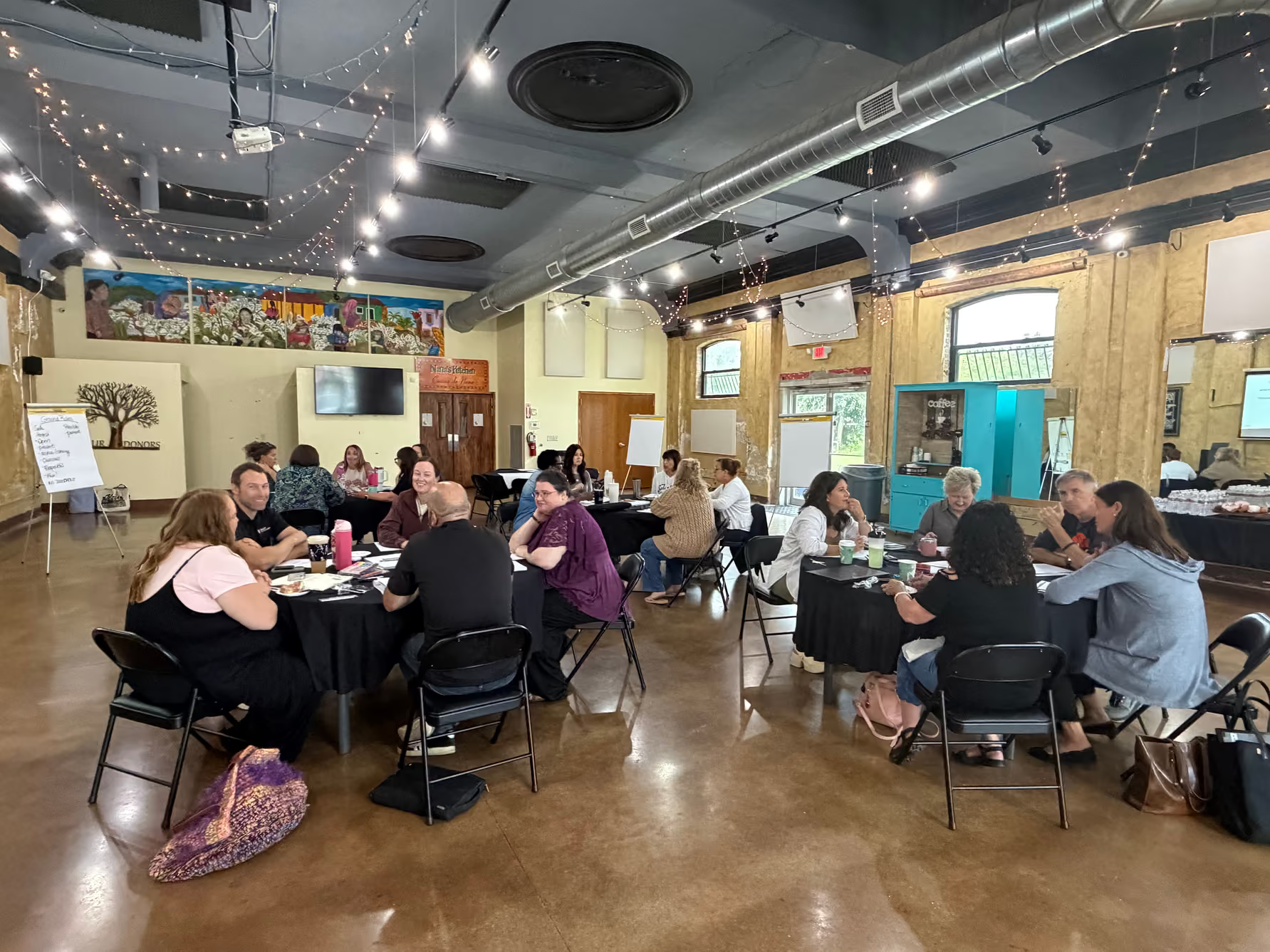
A productive session begins with preparation. Understanding the organization, participants, desired outcomes, and potential sensitivities helps ensure the time together is used well.
Depending on the engagement, EPS may conduct planning conversations, review relevant materials, gather stakeholder perspectives, or help refine the questions the group needs to address.
This preparation informs the agenda, facilitation approach, and activities—so participants can spend less time getting oriented and more time doing meaningful work.
Effective facilitation connects thoughtful preparation with a productive experience and clear next steps. The level of support in each phase is tailored to the engagement.
Clarify objectives, understand the context, identify important questions, and design a purposeful agenda.
Guide inclusive, candid, focused discussion; help participants explore issues, make decisions, and build shared understanding.
Confirm outcomes and next steps during the session; provide any additional documentation or follow-up included in the agreed scope.
An effective agenda gives people direction, but meaningful conversations do not always unfold in a straight line. A group may need additional time to examine an assumption, clarify disagreement, or address an issue that has surfaced unexpectedly.
EPS brings structure without treating the agenda as more important than the outcome. Facilitation balances purposeful pacing with the judgment to make room for what the group genuinely needs to discuss.
The objective is neither a rigid schedule nor an open-ended conversation. It is a disciplined process that allows useful dialogue to lead somewhere.
A facilitator does not need to take sides to play an active role in helping a group make progress. Neutrality means supporting a fair, productive process—not avoiding difficult questions or allowing unhelpful patterns to dominate.
EPS helps clarify issues, draw out perspectives, challenge assumptions, manage participation, and redirect the conversation when needed. Difficult topics can be addressed respectfully without allowing the discussion to become personal or unproductive.
The focus remains on helping the group do the work it came together to do.
Some sessions are designed to produce strategic priorities, decisions, action owners, and timelines. Others are intended to build shared understanding, strengthen governance, improve relationships, or create alignment before a decision is made.
Those outcomes are different, and the facilitation approach should reflect that difference. A session focused on trust or board effectiveness should not be forced into a planning template simply because it is called a retreat.
EPS clarifies what a successful outcome looks like and designs the conversation accordingly.
A board may need to focus on governance, oversight, strategic direction, and its relationship with management. An executive team may need to work through enterprise priorities, cross-functional decisions, and shared accountability. A leadership team may need to strengthen alignment, communication, and execution.
Each group brings different responsibilities, relationships, and expectations into the room. The questions, facilitation methods, and desired outputs should reflect those differences.
EPS tailors the experience to the group’s role and the organizational context rather than applying one retreat format to every audience.
A team may gather to discuss strategy, but the quality of that discussion is affected by how members listen, disagree, make decisions, and follow through. Unclear roles, unspoken tensions, or inconsistent participation can interfere with the work itself.
Thoughtful facilitation pays attention to both dimensions: the issues the group needs to resolve and the working dynamics that influence its ability to resolve them.
When appropriate, EPS helps groups name those dynamics constructively and establish better ways of working together.
A successful session should leave participants with greater clarity about what was discussed, what was decided, and what happens next. Depending on the objectives, that may include agreed priorities, decisions, commitments, action owners, timelines, or questions that require further work.
EPS builds time into the session to consolidate important insights and confirm next steps. Where included in the agreed scope, outcomes can be captured in a concise summary or action document for the organization to use after the session.
The purpose is to turn a productive conversation into meaningful direction—not simply create a record that no one revisits.
Sometimes a full-day or multi-day retreat is the right setting. In other cases, a focused planning meeting, board working session, leadership-team conversation, or shorter facilitated discussion can accomplish the objective more effectively.
EPS helps determine the appropriate format based on the issue, the participants, the available time, and the desired result.
The goal is not to make the event larger. It is to make the conversation more useful.

A focused space to strengthen self-awareness, communication, executive presence, and leadership effectiveness.
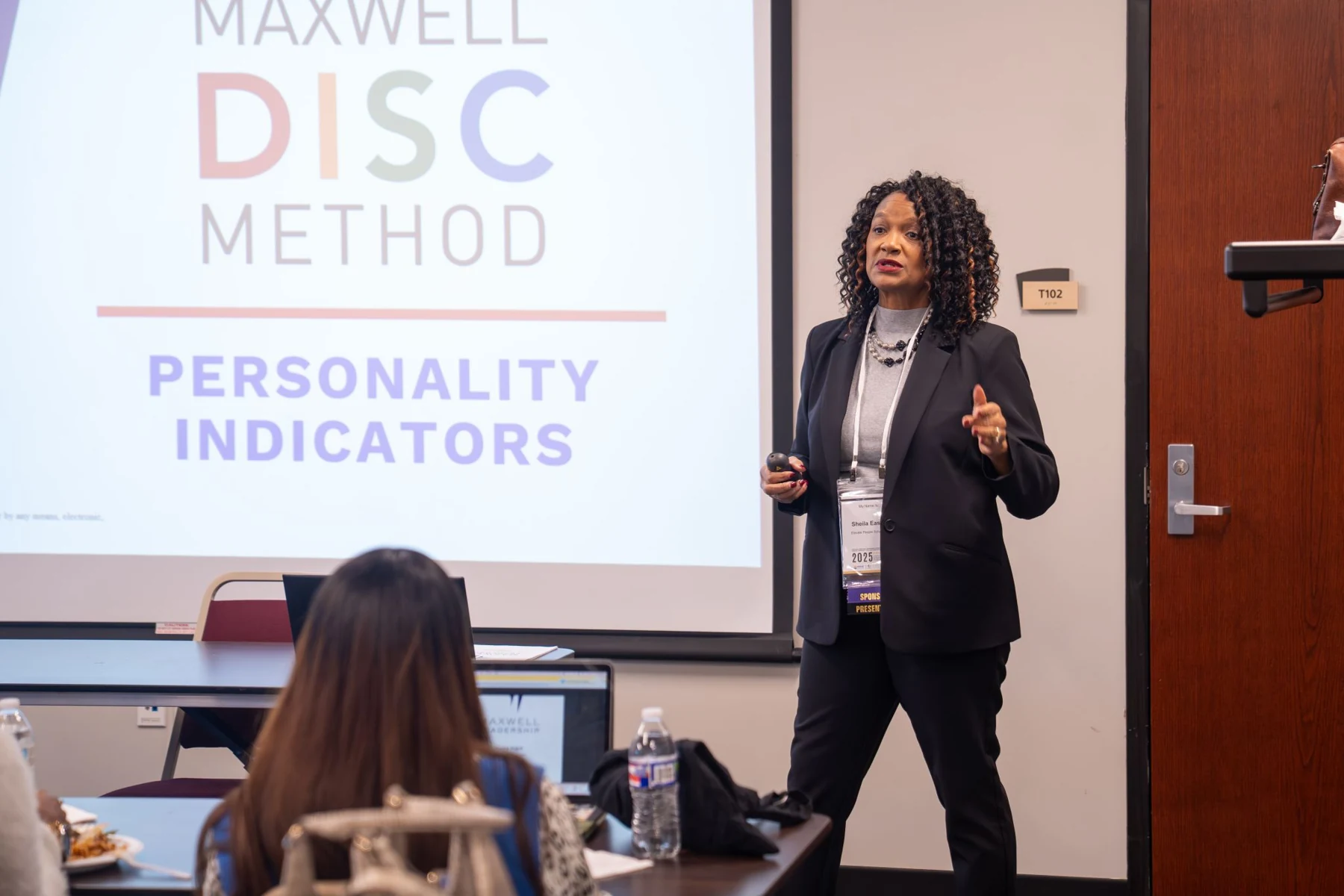
Practical development that helps managers and leaders build the skills required for the real work of leading.
Strategic guidance for complex people, performance, culture, change, and organizational effectiveness challenges.
You don’t need to have the retreat agenda figured out before reaching out. In fact, we’d rather you didn’t.
Tell us what your group needs to work through, decide, clarify, or accomplish. We can begin with that conversation and determine the right facilitation approach together.
Elevating Leaders.
Strengthening Teams.
Transforming Organizations.