Customized leadership development programs that help managers and leaders strengthen communication, accountability, coaching, decision-making, influence, and the practical skills required to lead effectively.

Being a strong individual contributor and being an effective leader require different capabilities.
Organizations often promote people because they are technically skilled, dependable, and successful in their roles. But leading others introduces a different set of responsibilities. Suddenly, success depends not only on what they accomplish personally, but on their ability to communicate expectations, provide feedback, address performance concerns, build trust, navigate conflict, and achieve results through others.
Without intentional development, even capable, well-intentioned leaders can struggle to make that transition. And the impact extends beyond the individual leader—to employee engagement, team effectiveness, accountability, and organizational performance.
Leadership development helps close that gap by equipping leaders with the judgment, skills, and confidence to lead people effectively.
Every organization has different leadership challenges, expectations, and priorities. That's why effective leadership development shouldn't begin with a predetermined list of courses.
At Elevate People Solutions, we begin by understanding what's happening in your organization. What are your leaders doing well? Where are they struggling? What expectations aren't being met? What leadership behaviors are affecting communication, accountability, team effectiveness, or results?
From there, we identify the capabilities that need to be strengthened and design development experiences that address those needs.
The goal is not simply for participants to understand leadership concepts. It's for them to apply what they learn, make more intentional leadership decisions, and demonstrate meaningful changes in how they lead.
Build an understanding of the leadership concepts and capabilities relevant to the work.
Examine individual leadership approaches and consider the impact of different responses.
Practice new skills and leadership conversations in a supportive learning environment.
Identify specific actions to take back to the workplace.
Use reflection, feedback, and follow-through to strengthen application over time.
Effective leadership development must reflect the realities of the organization and the people being developed.
At Elevate People Solutions, we take time to understand your organization's goals, leadership expectations, workplace challenges, and the capabilities your leaders need to strengthen. Depending on the engagement, this may involve conversations with organizational leaders, input from key stakeholders, assessments, or other methods of identifying development priorities.
We use that understanding to design learning experiences that are relevant to your leaders and their responsibilities. Content, scenarios, discussions, and practice activities are tailored to reflect the situations participants encounter in their actual work—not hypothetical challenges disconnected from their environment.
Whether we're developing new supervisors, strengthening experienced managers, or supporting senior leaders, the emphasis remains on practical application. Participants have opportunities to examine their own leadership approaches, practice new skills, receive feedback, and identify specific actions they can take back to the workplace.
Leadership development becomes more meaningful when participants can see a direct connection between what they're learning and the situations they face every day.
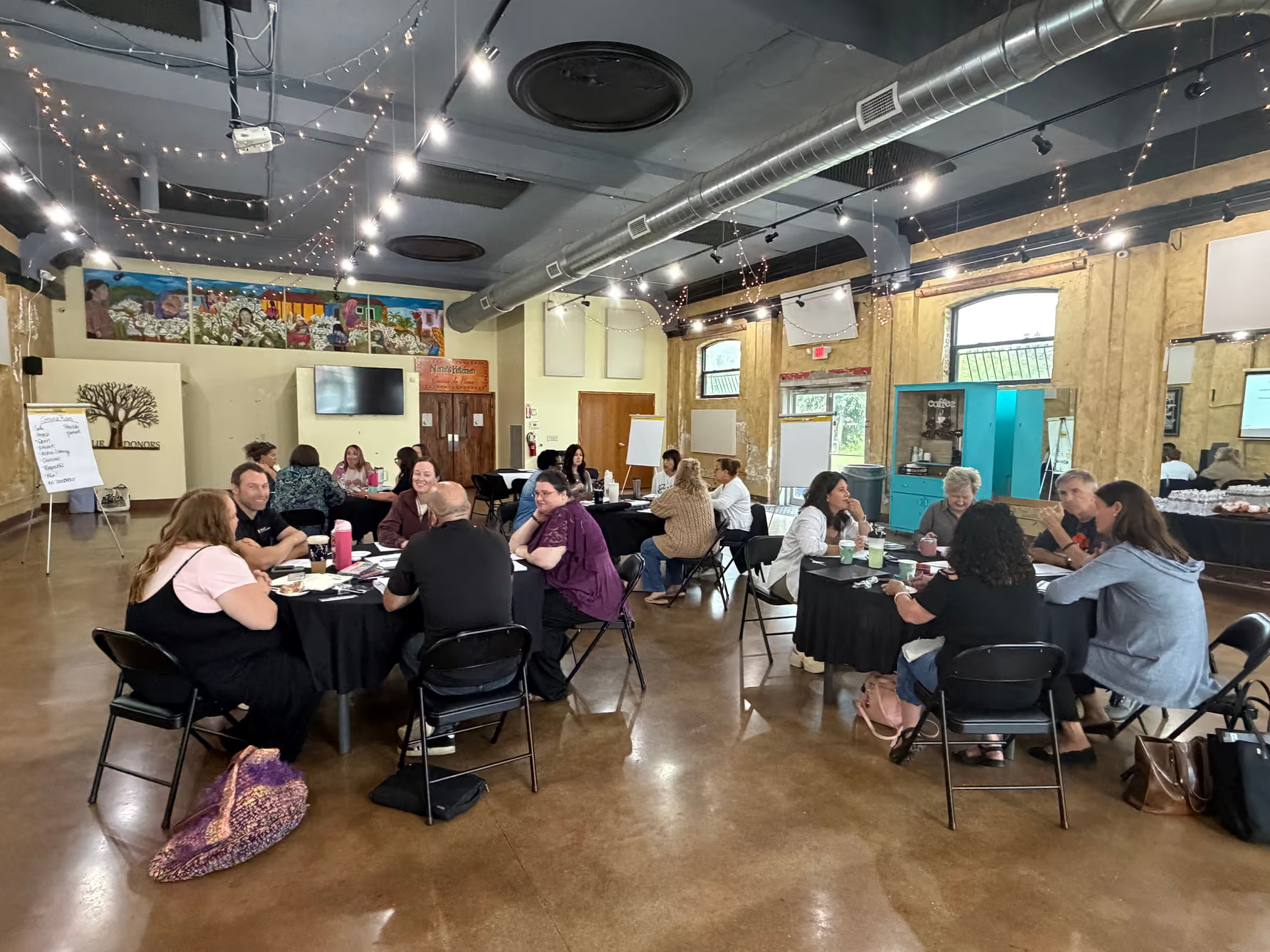
That's why EPS incorporates realistic workplace scenarios, practical exercises, facilitated discussions, and opportunities to practice leadership skills in a supportive learning environment. Participants don't simply discuss what effective leadership looks like. They examine situations, make decisions, practice conversations, consider different approaches, and explore the potential impact of their responses.
The learning is designed to reflect the kinds of challenges leaders actually encounter—addressing performance concerns, navigating difficult conversations, setting clear expectations, managing conflict, coaching employees, and leading through change.
Just as importantly, participants are encouraged to identify how they will apply what they've learned. Through reflection, action planning, and opportunities for follow-through, the focus shifts from understanding a concept to using it when the situation calls for it.
The goal is for leaders to leave better prepared to handle the moments that matter—not simply more informed about leadership.
Not every leadership challenge requires a comprehensive development program. Sometimes a focused workshop is exactly what an organization needs to address a specific skill, introduce a new approach, or strengthen a particular leadership capability.
Other situations call for a more sustained approach. When leaders need to develop multiple capabilities, change established behaviors, or strengthen how they lead over time, development may be more effective when learning, practice, application, and reinforcement are intentionally connected.
EPS designs leadership development experiences to fit the organization's needs and intended outcomes. Depending on the engagement, this may include individual workshops, multi-session development programs, facilitated discussions, leadership assessments, coaching, practical application assignments, or reinforcement activities between sessions.
Regardless of the format, the emphasis is on helping leaders take what they learn back to the workplace. Reflection, practice, feedback, and follow-through help leaders strengthen their ability to apply new approaches when real leadership situations arise.
The right development approach isn't necessarily the longest or most comprehensive. It's the one that helps leaders make meaningful progress where it matters most.
Leadership assessments can provide valuable insight into how individuals communicate, interact with others, approach challenges, and demonstrate leadership behaviors. They can also help leaders recognize patterns, identify strengths, and better understand areas where greater awareness or development may improve their effectiveness.
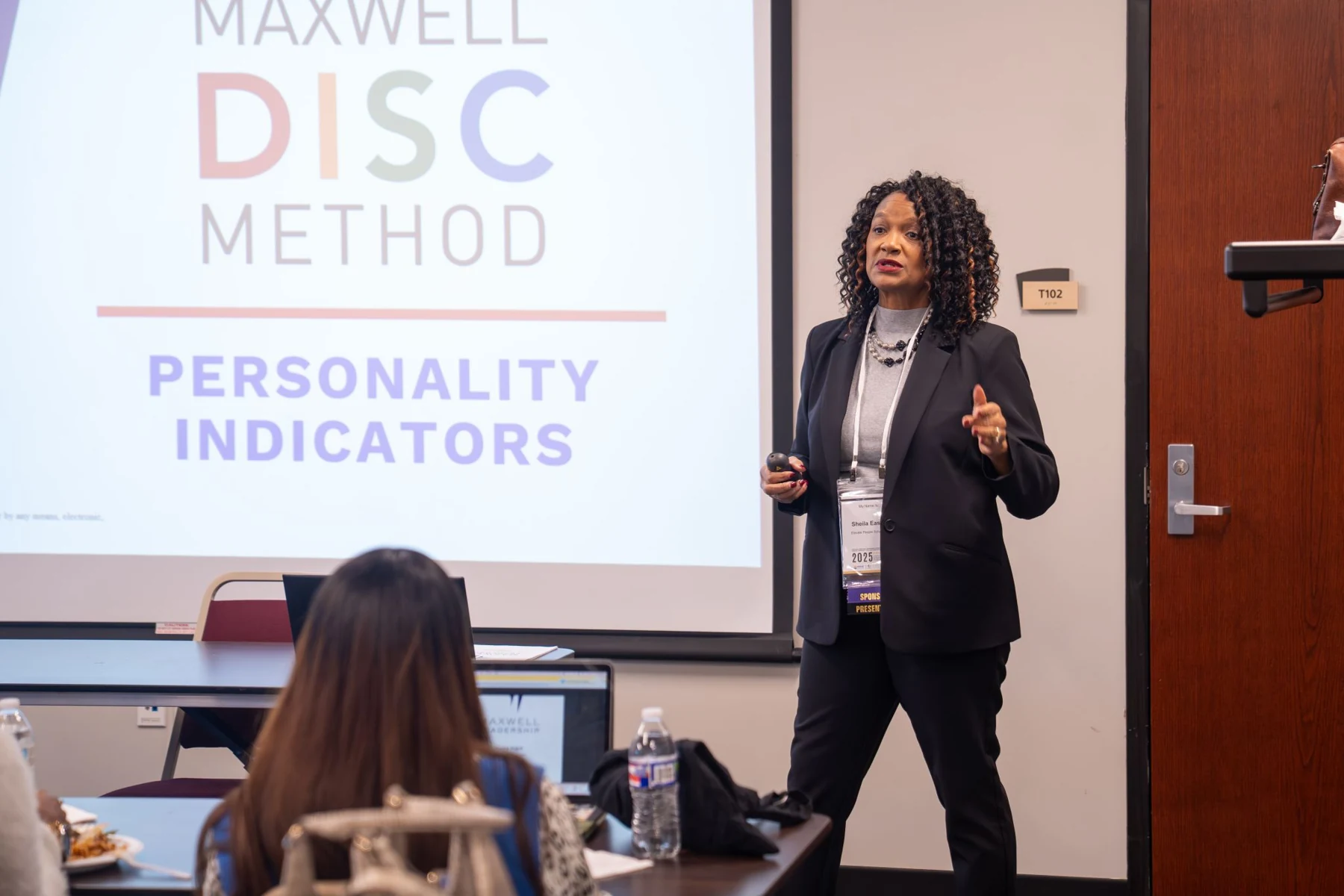
When appropriate, EPS incorporates tools such as DISC behavioral assessments and 360-degree leadership feedback to support the development process. These tools can create a starting point for meaningful reflection and conversations about leadership effectiveness, interpersonal dynamics, and the impact a leader has on others.
But assessment results are not the destination. Understanding a behavioral preference or receiving feedback is only valuable when leaders use that information to make more intentional choices about how they lead.
EPS helps participants interpret assessment insights, connect them to real workplace situations, and identify practical actions that support their development. This may include strengthening communication, adjusting leadership approaches, improving working relationships, or addressing behaviors that affect team effectiveness.
The value of an assessment isn't simply what it reveals. It's what a leader chooses to do differently because of it.
Communicating expectations clearly, listening to understand, providing meaningful feedback, and navigating conversations that build understanding, trust, and alignment.
Establishing clear expectations, following through on commitments, addressing performance concerns promptly, and creating an environment where individuals take ownership of results.
Asking thoughtful questions, providing constructive feedback, supporting employee growth, and helping others develop the confidence and capability to solve problems and improve performance.
Evaluating situations, considering different perspectives, exercising sound judgment, and making timely decisions—even when circumstances are complex or information is incomplete.
Building credibility, understanding stakeholder perspectives, gaining commitment, and moving people toward shared goals through trust, communication, and effective relationships.
Recognizing how leadership behaviors affect others, adapting approaches to different situations, managing challenges constructively, and consistently translating leadership intentions into actions that support people and performance.

A focused space to strengthen self-awareness, communication, executive presence, and leadership effectiveness.

Strengthen trust, communication, accountability, and the working relationships that support team performance.
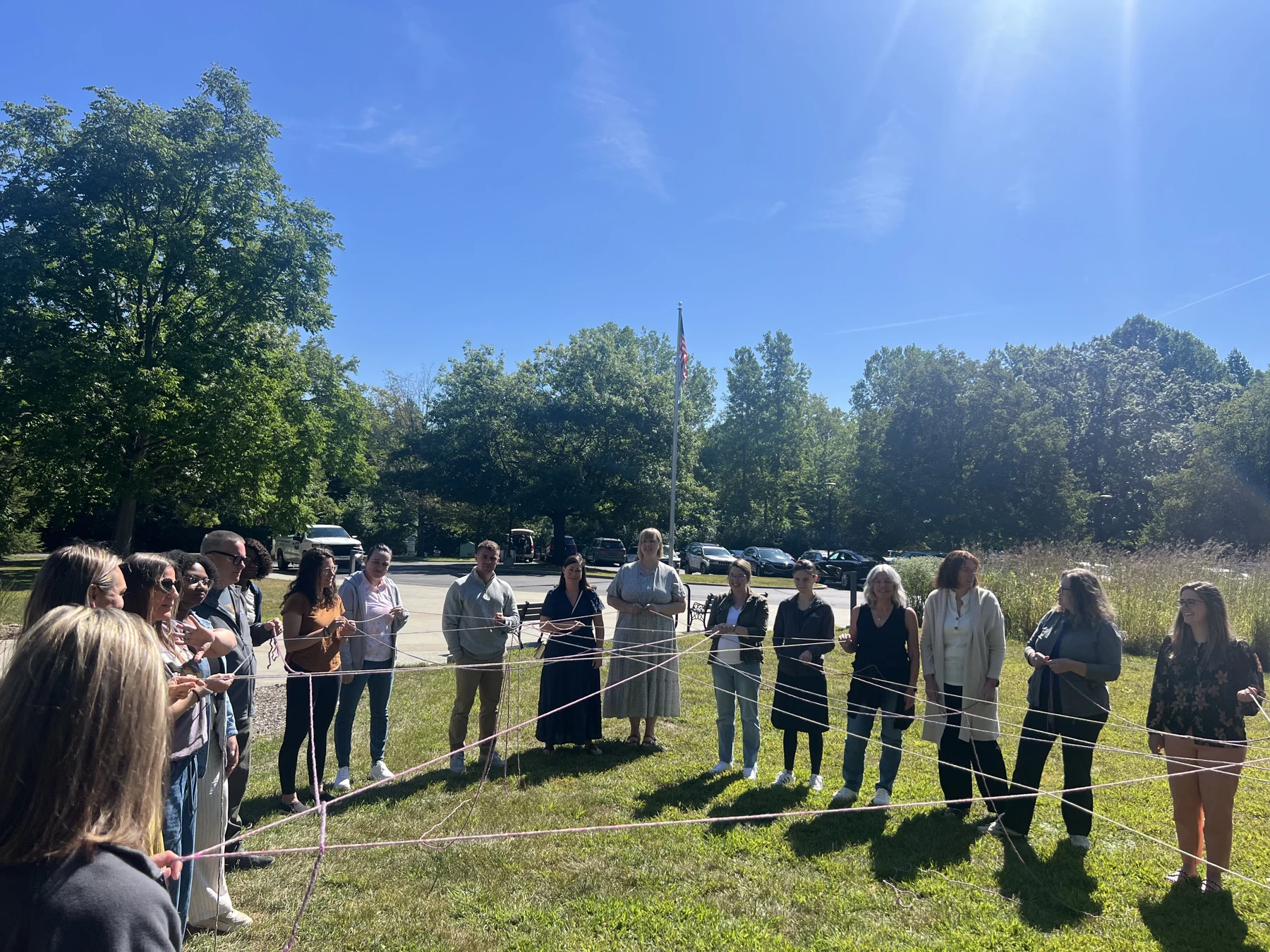
Create focused dialogue, shared direction, and clear next steps for leadership teams, executive teams, and boards.
Elevating Leaders.
Strengthening Teams.
Transforming Organizations.