
Why understanding the real problem matters more than rushing to a solution.

When challenges like these arise, leaders naturally want to do something about them. And often, they already have a solution in mind.
Communication problems? Let's schedule training.
Accountability concerns? Managers need leadership development.
Team conflict? Maybe it's time for a team-building session.
Any of these approaches might be helpful. But before moving forward, there's a question worth asking:
What if the problem we're trying to solve isn't actually the problem?
One thing I've learned through years of working with leaders and organizations is that what initially looks like a people problem often has more beneath the surface.
Consider a team that's struggling with communication.
The immediate conclusion might be that employees need to communicate more effectively. But a closer look could reveal something different. Perhaps responsibilities aren't clearly defined. Maybe decisions are being made without involving the right people. Or team members have different understandings of what's expected.
Communication may be part of the issue, but it isn't necessarily the root cause.
Now consider a manager who isn't holding employees accountable.
It's easy to conclude that the manager needs training in difficult conversations. And perhaps they do.
But what if the manager has never received clear performance expectations from their own leader? What if accountability looks different depending on which department you're in? What if previous attempts to address performance concerns weren't supported by senior leadership?
In those circumstances, teaching the manager how to have a difficult conversation may be helpful, but training alone won't resolve the underlying conditions.
When we address the symptom without understanding what's driving it, we risk investing time, energy, and resources in solutions that don't produce lasting change.
Leaders are often rewarded for solving problems.
We value decisiveness, responsiveness, and the ability to move things forward. And rightly so. There are certainly situations where quick decisions and immediate action are necessary.
But not every challenge requires an immediate answer.
Sometimes the most valuable thing a leader can do is resist the urge to fix and spend a little more time understanding.
That means being willing to ask questions such as:
These questions aren't about delaying action. They're about making sure our actions address what actually needs attention.
Being decisive matters. So does knowing when to get curious before making a decision.
This is why I believe effective leadership and organizational development must begin with understanding the context.
Not every leadership challenge requires a workshop.
Not every team challenge requires team building.
Not every organizational problem can be resolved through a new policy or process.
Sometimes the right solution is leadership coaching. Sometimes it's clarifying expectations, improving how decisions are made, strengthening working relationships, or creating space for a difficult but necessary conversation.
And sometimes a combination of approaches is needed.
The goal isn't to introduce another program or initiative. It's to identify what needs to change and determine the most effective way to support that change.
That requires looking beyond the immediate request and asking what success would actually look like.
Because the right solution should be determined by the challenge, not the other way around.
The next time you're facing a leadership, team, or organizational challenge, consider three questions:
These questions may seem simple, but they can change the direction of the conversation.
Instead of immediately asking, "What should we do about this?" we begin by asking, "What do we need to understand?"
And that distinction matters.
Leaders don't always have the luxury of unlimited time to analyze every challenge. Decisions need to be made, people need direction, and organizations need to move forward.
But moving quickly and moving effectively aren't always the same thing.
Sometimes the greatest value a leader brings isn't having the fastest answer. It's recognizing when the obvious answer may not be the right one.
That takes curiosity, judgment, and the willingness to challenge our initial assumptions.
Before you solve the problem, make sure you understand the problem.
Because stronger leadership isn't just about finding solutions. It's about asking the questions that lead us to the right ones.
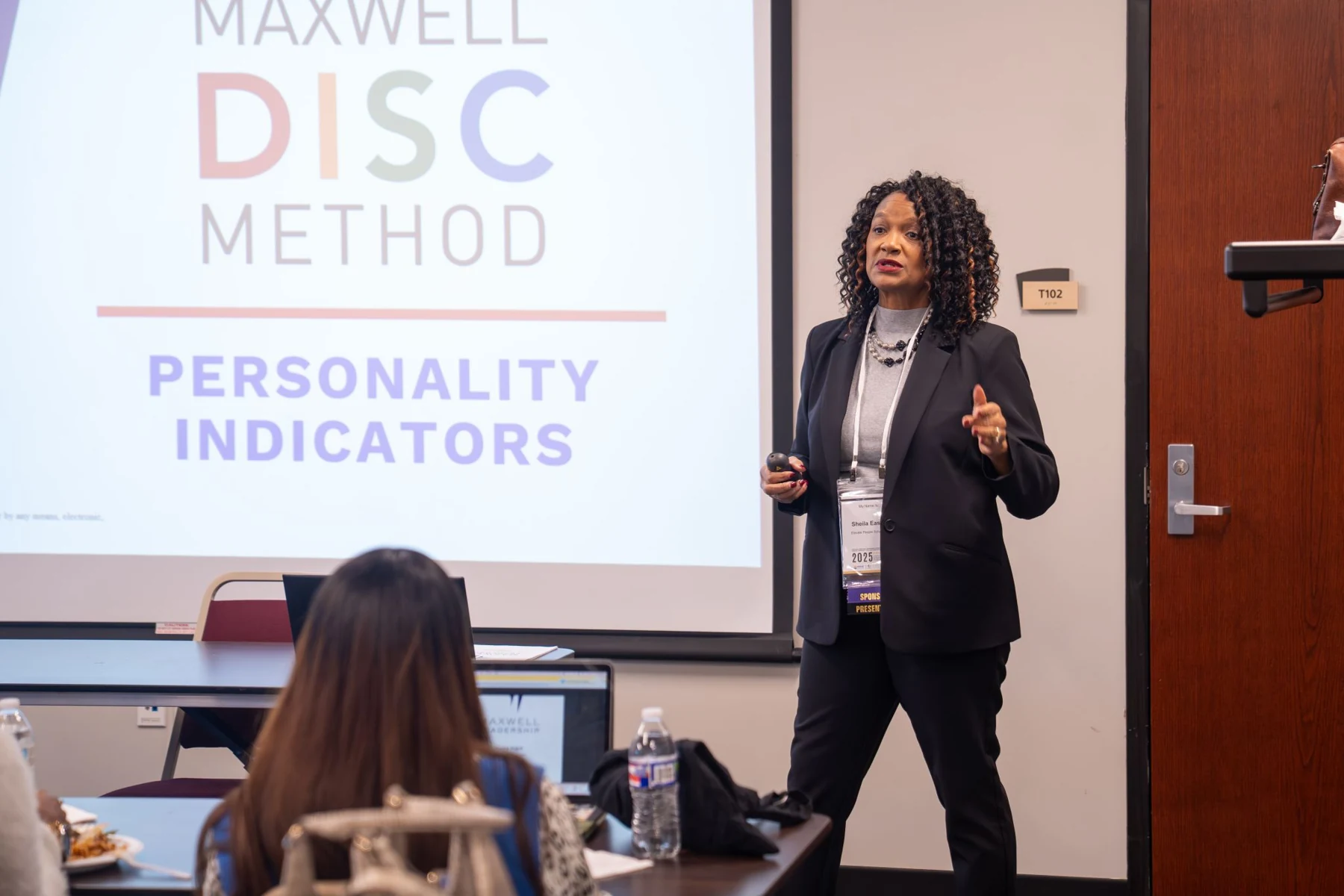
Practical development that helps managers and leaders build the skills required for the real work of leading.
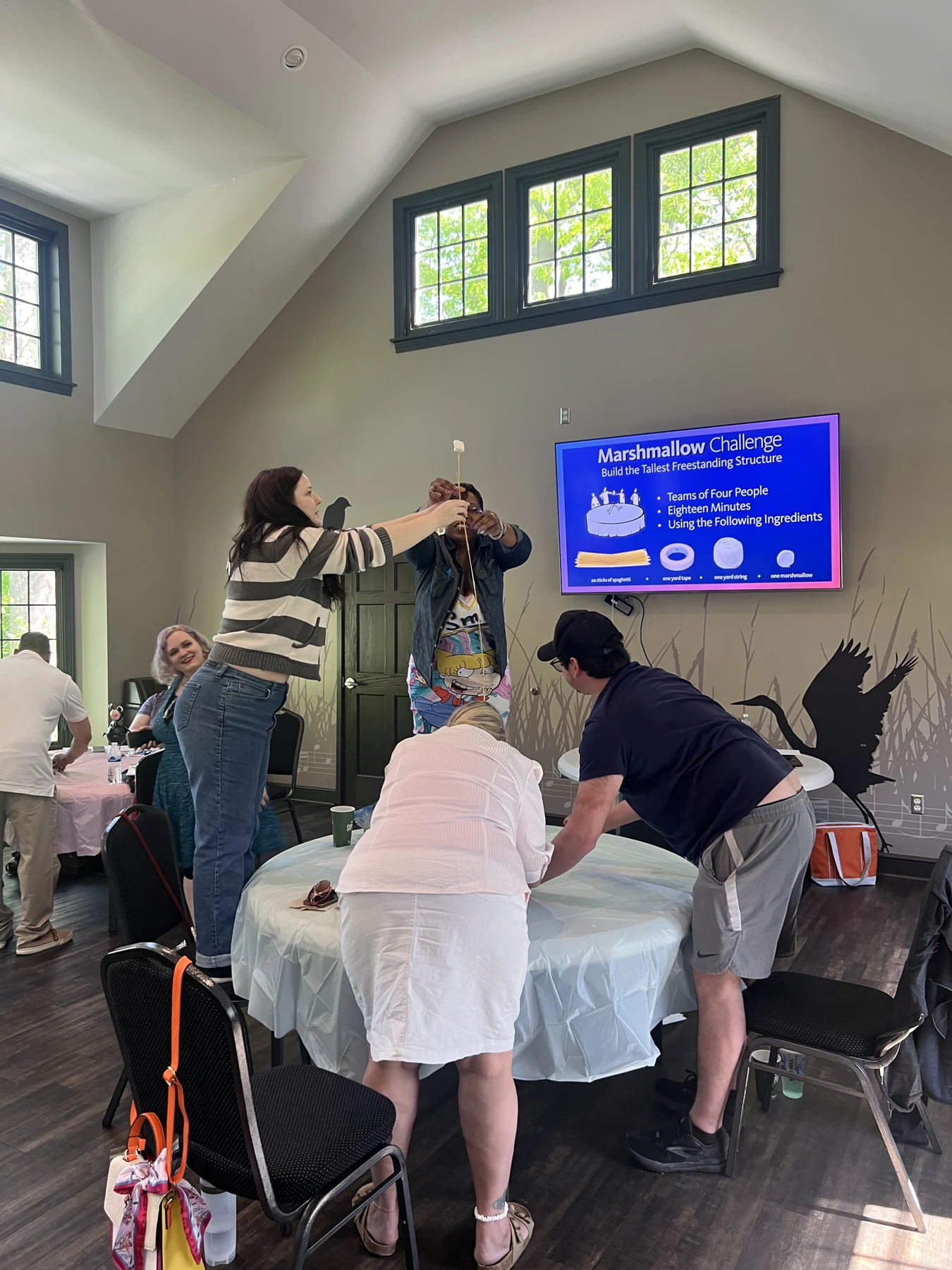
Strengthen trust, communication, accountability, and the working relationships that support team performance.
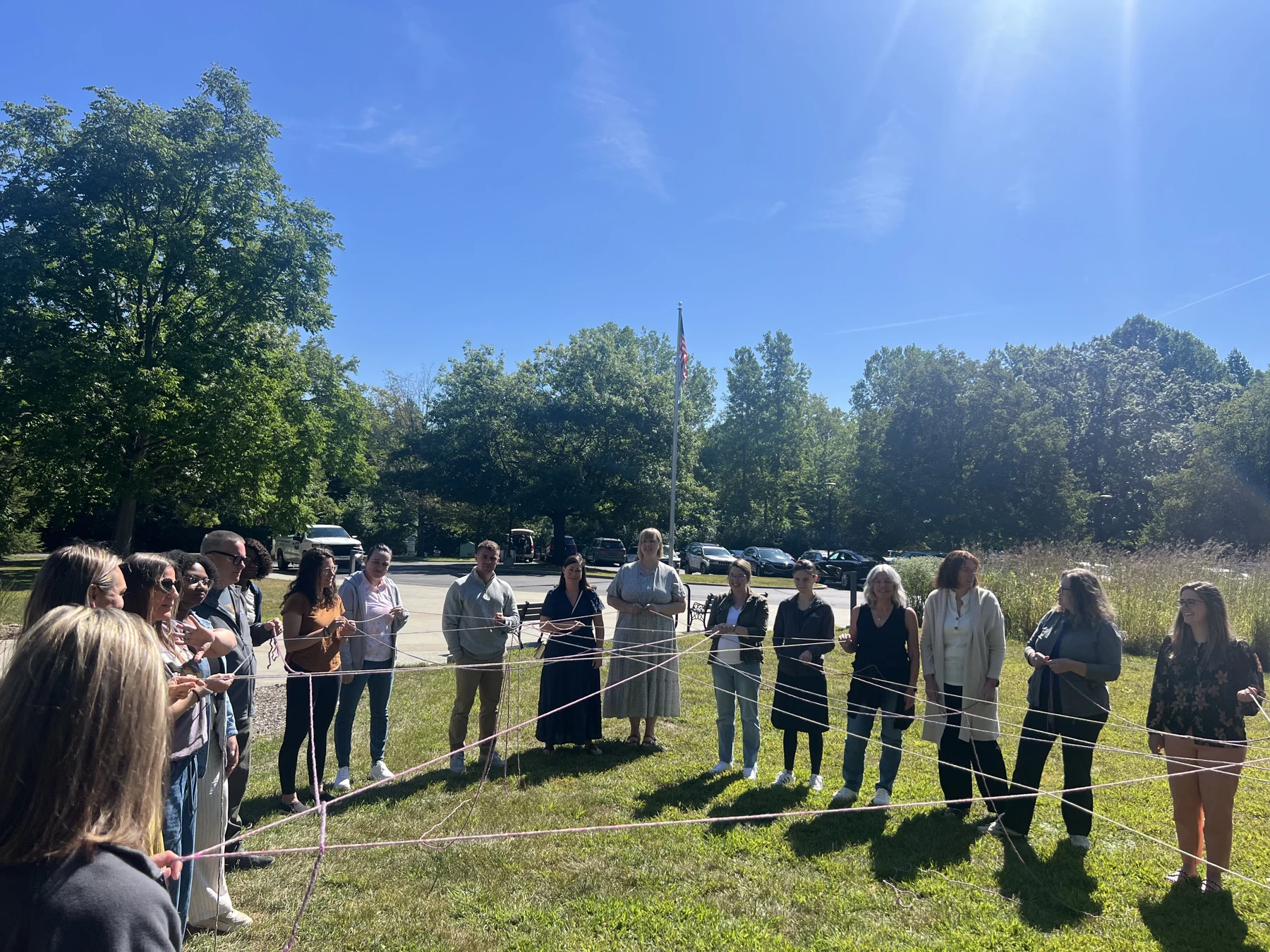
Create focused dialogue, shared direction, and clear next steps for leadership teams, executive teams, and boards.
Explore how a leadership development experience can connect to your organization’s priorities and the people you are developing.
Elevating Leaders.
Strengthening Teams.
Transforming Organizations.